Edinburgh · Inverness · Portree (Isle of Skye) · Fort William · Glasgow
Scotland itinerary in 3 weeks: Edinburgh, Inverness, Isle of Skye, Fort William and Glasgow
A 20-night Scotland trip through five places, by train and bus.
20 nights, 5 stops Best time to travel: May to September
Best time to go, weather and road tips
-
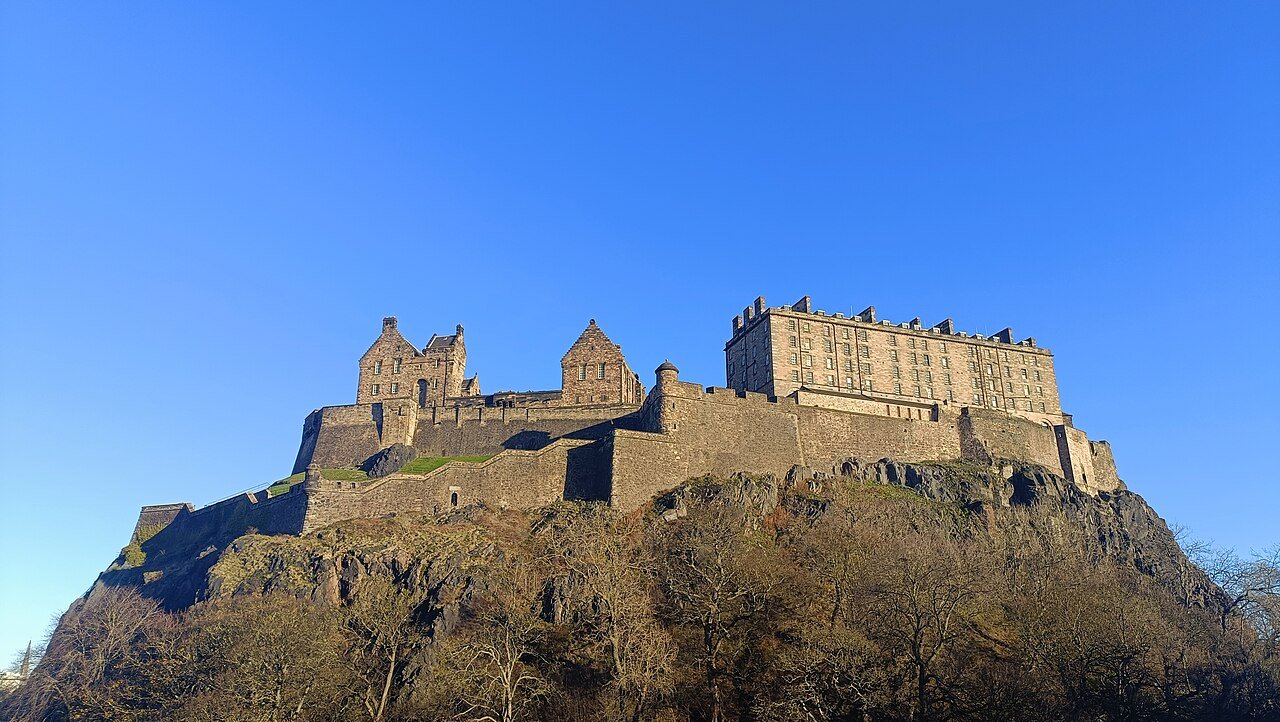
Photo: 501ghost, CC0 1.0, cropped Edinburgh
5 nights
Edinburgh became the capital of Scotland in the 15th century. The Old Town sits on a ridge that goes from the castle standing on a rock all the way down to Holyrood Palace. You will find the neoclassical New Town north of the Old Town, and it was built starting in the 18th century. Both areas have been on the UNESCO World Heritage Site list since 1995.
You can spend five nights visiting both parts of town and climbing Arthur's Seat. This extinct volcano stands east of the Old Town, and when you reach the top you can see far across the city. The main festivals happen in August, and the Fringe festival alone runs for three weeks. When you go at that time, you need to book your room early and you will pay more money.
Good areas to stay
- Old Town
- The Royal Mile runs from the castle down to Holyrood Palace. You will find many attractions along this street. The shops that are close to the castle charge high prices. These shops are designed mainly for visitors.
- New Town
- To the north of the Old Town you will find Princes Street. Waverley station sits at the eastern end of this street. The most luxurious hotels in the city are located here.
- Newington
- You can find lots of guest houses on Newington Road and Minto Street in the southern part of the area. Walking to the centre will take you 15 to 20 minutes. Buses operate at all hours of the day and night.
On to Inverness: about 3 h 40 by train
-
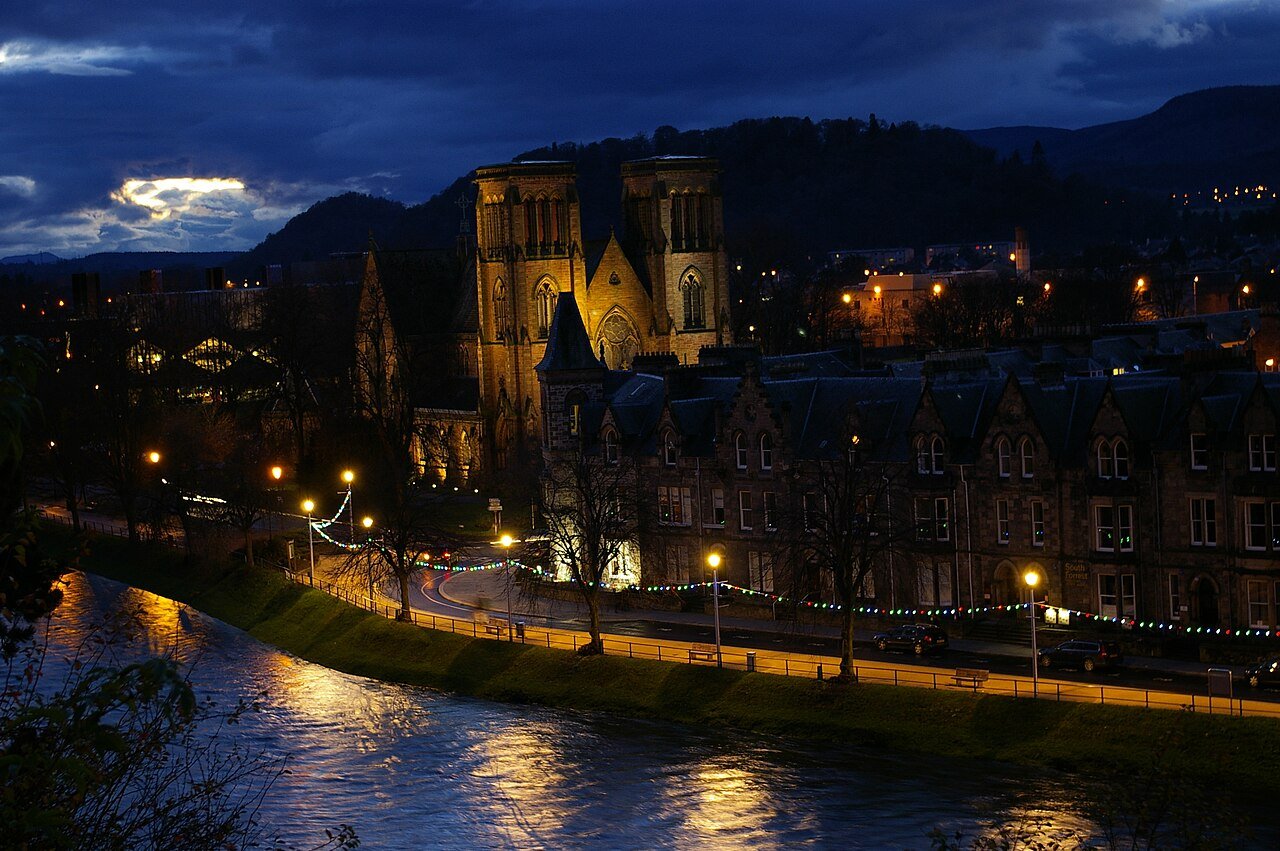
Photo: Stablenode, CC0 1.0, cropped Inverness
3 nights
Inverness is where the River Ness meets the Moray Firth. It is the only large city in the Highlands. The castle in Inverness stands in the middle of the city. You can see an exhibition inside that tells you about the Highland landscape, the people who live there, and their history. If you walk along the bank going upstream, you will reach the Ness Islands, which are covered with trees.
Three nights are enough to make two trips from here. Bus 3 will take you to Culloden. This place is about 6 km to the east. A battle happened there on 16 April 1746. This was when the last Jacobite Rising came to an end. You can visit a visitor centre there today. You can also take a bus towards Fort William or Skye. These buses will stop at Urquhart Castle. The castle is in ruins. It sits on a rocky point that goes into Loch Ness.
Good areas to stay
- Centre by the station
- The station sits in the middle of town on Academy Street. You can walk to everything from here. However, Academy Street can be loud.
- Glenurquhart Road
- The A82 road going in the direction of Loch Ness has many tiny bed and breakfast places and small hotels along its sides.
- Outskirts
- You will find most of the chain hotels designed for people travelling for work in this area. However, you will be staying a long way away from the centre.
On to Portree (Isle of Skye): about 3 h 15 by bus
-
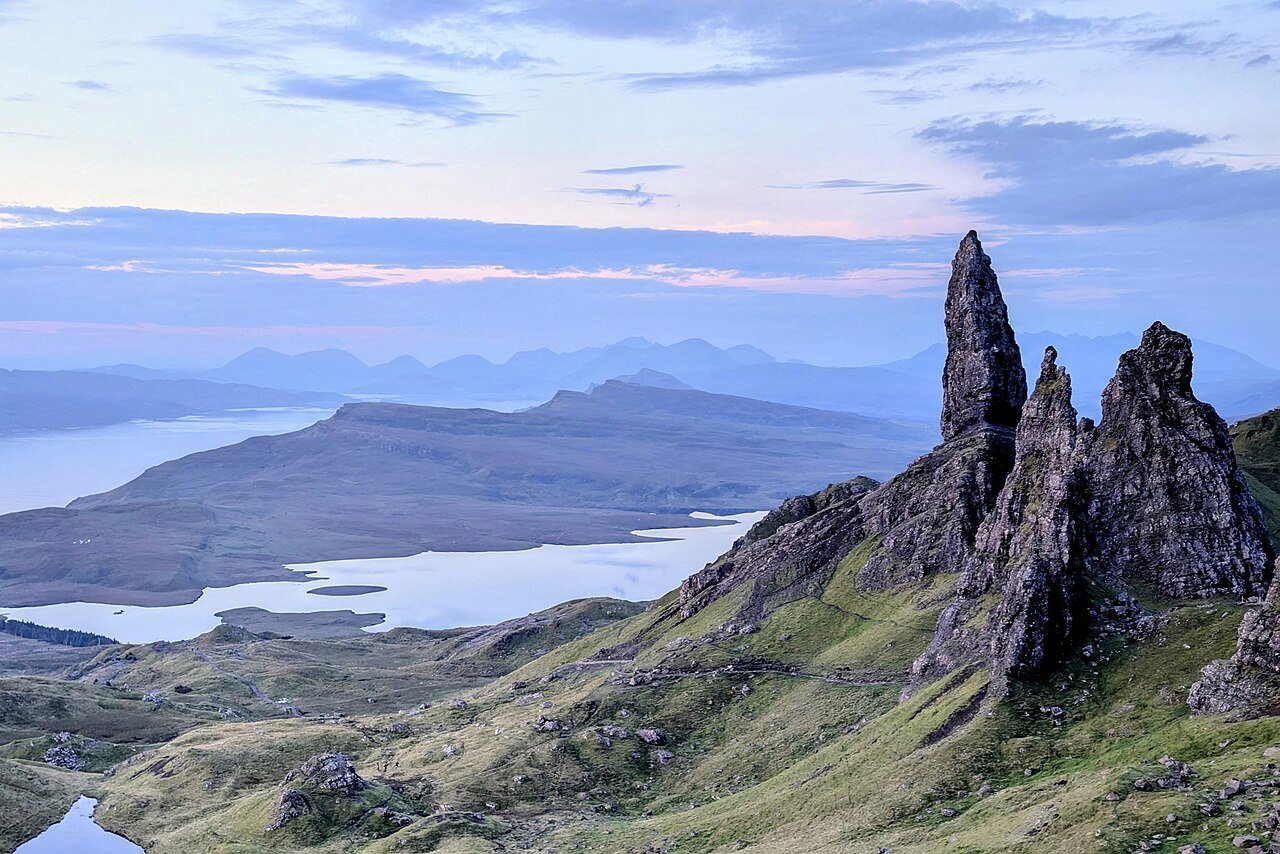
Photo: MichaelZacSon, CC0 1.0, cropped Portree (Isle of Skye)
4 nights
Portree is the main village on the Isle of Skye. About 2,300 people live there. The harbour has houses painted in many bright colours. Hills around the bay protect it from strong ocean winds. You can walk to almost everything in the village in five minutes or less. Buses leave from Somerled Square.
You have four nights to explore the Trotternish peninsula. It is north of Portree. Bus 57 goes around the peninsula, but on weekends only during the season. You can get off at the Storr car park. From there you can walk to the Old Man of Storr. This is a rock pinnacle that stands 50 m high. The walk is 5 km long and takes 1.5 to 2 hours. No bus takes you to where the Quiraing walk starts. The closest bus stop is in Staffin, which is 3 km away. Many roads on Skye are single track. They have passing places so vehicles can get by each other.
Good areas to stay
- By the harbour
- You stay on the bay that has houses painted in bright colours. The Quay has a number of restaurants there. You will also see fish and chip shops along the Quay.
- Around Somerled Square
- The main square has a bus stop. Around it you will find pubs and restaurants. It is a good spot if you want to take a bus trip. The bed and breakfasts in the village often run out of rooms during the summer months.
On to Fort William: about 3 h 10 by bus
-
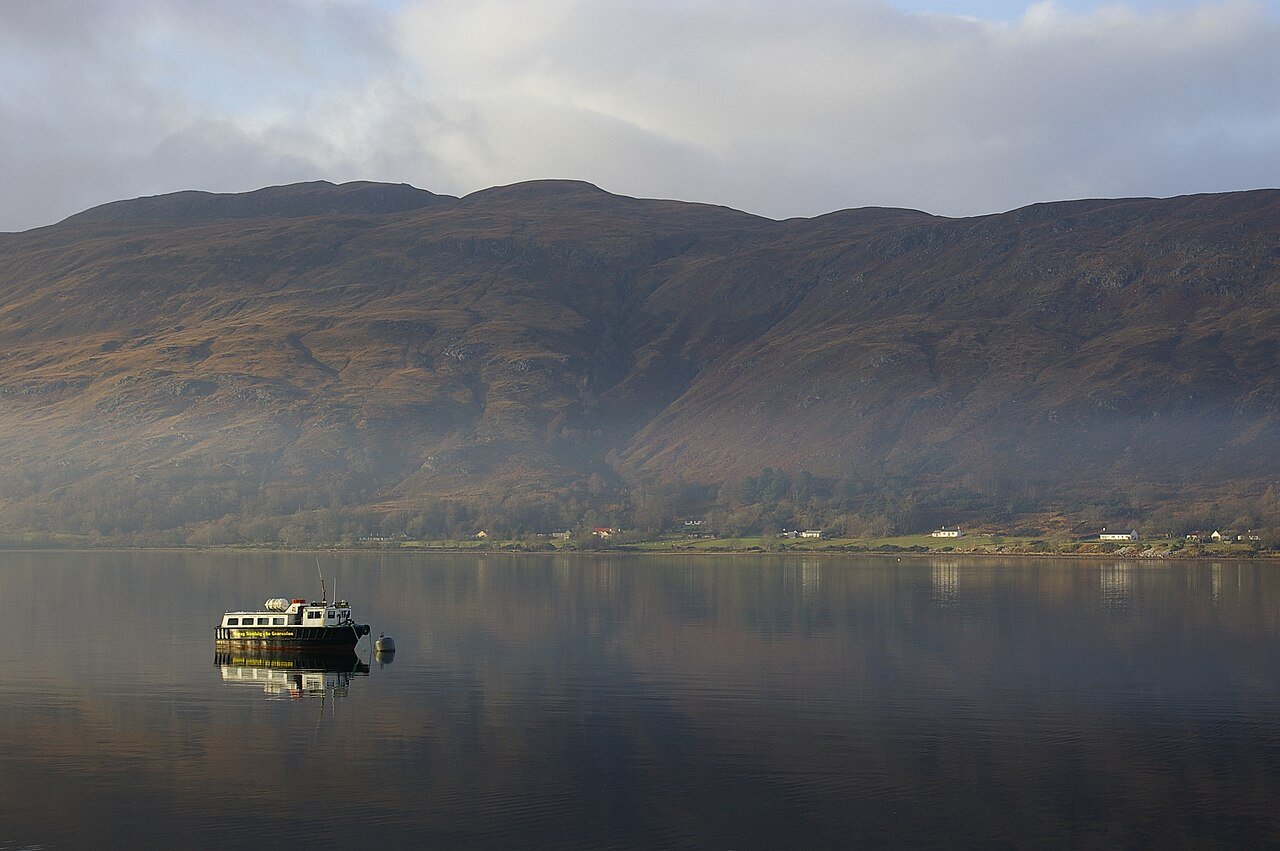
Photo: Stablenode, CC0 1.0, cropped Fort William
3 nights
Fort William sits beside Loch Linnhe. This is a sea loch found at the southwest point of the Great Glen. You can walk around the small centre easily. The High Street does not allow cars. The West Highland Way is a long walking trail. It begins near Glasgow and finishes at Fort William.
If you stay for three nights, you have one full day for Ben Nevis. This mountain is 1,345 m high and is the tallest in Britain. Most people start the climb at the visitor centre in Glen Nevis. The path is 17 km long. It takes 7 to 9 hours to complete. A bus goes there from May to September. On your second day, take the West Highland Line train to Glenfinnan. You can see the viaduct there. You can also visit the monument to the Jacobites from 1745.
Good areas to stay
- Town centre
- The High Street has been closed to cars and is easy to walk around. The station sits on the north side of the centre. You can get to everything on foot in this area. However, the High Street mainly has shops that sell souvenirs.
- Glen Nevis
- You will find this place roughly 3 km away from the town. It sits in the valley right where Ben Nevis rises up. The mountain path begins near here. However, if you don't have a car, you will need to use the buses. Only a handful of buses run each day on this route.
- Corpach and Banavie
- A couple of miles to the north is where the Caledonian Canal begins. Both of these places have stations on the railway that goes to Mallaig.
On to Glasgow: about 3 h 50 by train
-
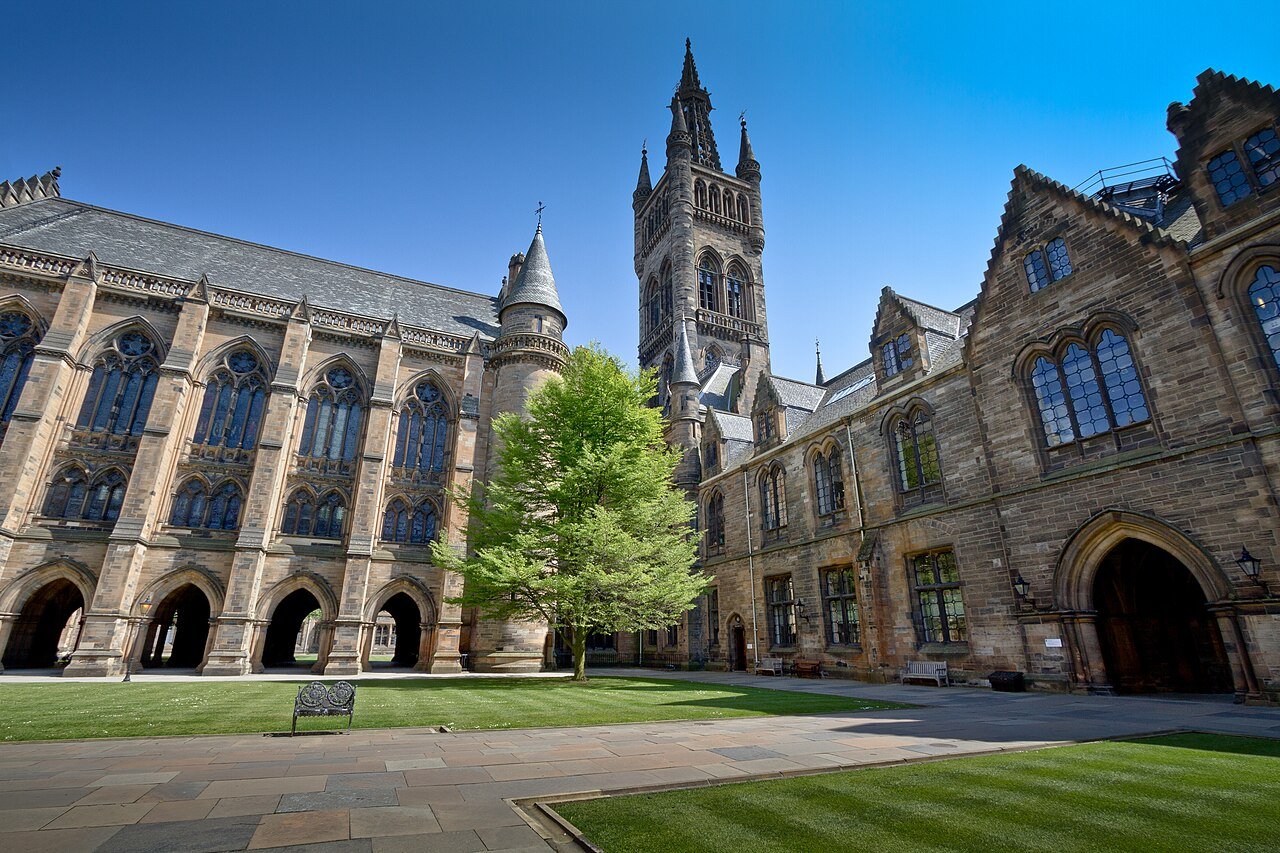
Photo: Michael D Beckwith, CC0 1.0, cropped Glasgow
5 nights
You can move around Glasgow easily using the Subway. The Subway goes in a circle and has 15 stations. One complete circle takes 24 minutes. It connects the city centre to the West End. The university is in the West End. Kelvingrove Art Gallery and Museum is also there. It opened in 1901. You will find 22 galleries inside. They show art, animals, Ancient Egypt and Charles Rennie Mackintosh. You do not have to pay to get in.
Five nights gives you time to visit other places too. The Riverside Museum of transport and technology is one of them. It sits where the Kelvin meets the Clyde. You do not have to pay to go there either. Merchant City is on the east side of the centre. Further east you will see the medieval cathedral. It survived the Reformation almost completely. The Necropolis sits on a hill right next to it.
Good areas to stay
- Merchant City
- The eastern part of the city centre has a Victorian character. You will find it around Glasgow Cross. This area includes George Square.
- West End
- You will find cafés, restaurants and small independent shops near the university on Byres Road. The Subway can take you from there into the centre.
Good to know
Your journey begins in Edinburgh. You take a train heading north to Inverness. Next you travel by bus to reach the Isle of Skye. After that you continue by bus to Fort William. This town sits at the base of Ben Nevis. For your final part of the trip you board a train again. It takes you to Glasgow. The warmest time to visit Scotland is June, July and August. The sun stays up late into the evening during these months. Some buses that run on Skye and in Glen Nevis have more frequent service only during certain times of year. You will find the route works best if you travel between May and September.
Best time to visit Scotland
The average daily high for each month and how often it rains. The sun marks a dry month, not hours of sunshine.
- dry, fewer than 4 rainy days
- 4 to under 8 rainy days
- 8 to under 12 rainy days
- 12 or more rainy days
- Jan: 7 degrees, 11.9 rainy days
- Feb: 8 degrees, 9.5 rainy days
- Mar: 10 degrees, 9.0 rainy days
- Apr: 12 degrees, 8.3 rainy days
- May: 14 degrees, 10.0 rainy days
- Jun: 17 degrees, 10.9 rainy days
- Jul: 19 degrees, 10.9 rainy days
- Aug: 19 degrees, 10.6 rainy days
- Sep: 17 degrees, 9.3 rainy days
- Oct: 13 degrees, 11.7 rainy days
- Nov: 10 degrees, 12.3 rainy days
- Dec: 7 degrees, 11.6 rainy days
Exact figures
Average daily highs and lows 1991–2020, precipitation as monthly total.
| Jan | Feb | Mar | Apr | May | Jun | Jul | Aug | Sep | Oct | Nov | Dec | |
|---|---|---|---|---|---|---|---|---|---|---|---|---|
| Daily high (°C) | 6.8 | 7.6 | 9.6 | 11.8 | 14.4 | 17.1 | 19.3 | 19.0 | 16.8 | 13.2 | 9.5 | 7.0 |
| Daily low (°C) | 0.7 | 1.0 | 2.1 | 3.8 | 6.1 | 9.1 | 10.9 | 10.7 | 9.0 | 6.2 | 2.9 | 0.8 |
| Precipitation (mm) | 63.5 | 47.3 | 46.3 | 43.9 | 50.2 | 62.8 | 64.2 | 68.9 | 53.8 | 80.4 | 68.3 | 63.3 |
| Days with at least 1 mm | 11.9 | 9.5 | 9.0 | 8.3 | 10.0 | 10.9 | 10.9 | 10.6 | 9.3 | 11.7 | 12.3 | 11.6 |
| Month | High (°C) | Low (°C) | Precip. (mm) | Days ≥ 1 mm |
|---|---|---|---|---|
| Jan | 6.8 | 0.7 | 63.5 | 11.9 |
| Feb | 7.6 | 1.0 | 47.3 | 9.5 |
| Mar | 9.6 | 2.1 | 46.3 | 9.0 |
| Apr | 11.8 | 3.8 | 43.9 | 8.3 |
| May | 14.4 | 6.1 | 50.2 | 10.0 |
| Jun | 17.1 | 9.1 | 62.8 | 10.9 |
| Jul | 19.3 | 10.9 | 64.2 | 10.9 |
| Aug | 19.0 | 10.7 | 68.9 | 10.6 |
| Sep | 16.8 | 9.0 | 53.8 | 9.3 |
| Oct | 13.2 | 6.2 | 80.4 | 11.7 |
| Nov | 9.5 | 2.9 | 68.3 | 12.3 |
| Dec | 7.0 | 0.8 | 63.3 | 11.6 |
- Jan: 8 degrees, 16.4 rainy days
- Feb: 8 degrees, 14.2 rainy days
- Mar: 10 degrees, 12.9 rainy days
- Apr: 12 degrees, 11.7 rainy days
- May: 15 degrees, 10.7 rainy days
- Jun: 17 degrees, 11.5 rainy days
- Jul: 19 degrees, 12.9 rainy days
- Aug: 19 degrees, 13.4 rainy days
- Sep: 17 degrees, 12.8 rainy days
- Oct: 13 degrees, 15.3 rainy days
- Nov: 10 degrees, 16.2 rainy days
- Dec: 8 degrees, 16.5 rainy days
Exact figures
Average daily highs and lows 1991–2020, precipitation as monthly total.
| Jan | Feb | Mar | Apr | May | Jun | Jul | Aug | Sep | Oct | Nov | Dec | |
|---|---|---|---|---|---|---|---|---|---|---|---|---|
| Daily high (°C) | 7.5 | 7.9 | 9.5 | 12.1 | 15.1 | 17.3 | 18.7 | 18.5 | 16.6 | 13.3 | 10.1 | 7.9 |
| Daily low (°C) | 2.2 | 2.2 | 3.2 | 4.7 | 7.0 | 9.9 | 11.8 | 11.7 | 10.0 | 7.2 | 4.4 | 2.3 |
| Precipitation (mm) | 96.3 | 74.6 | 70.2 | 57.7 | 54.6 | 65.3 | 82.2 | 87.6 | 79.1 | 106.4 | 102.7 | 104.0 |
| Days with at least 1 mm | 16.4 | 14.2 | 12.9 | 11.7 | 10.7 | 11.5 | 12.9 | 13.4 | 12.8 | 15.3 | 16.2 | 16.5 |
| Month | High (°C) | Low (°C) | Precip. (mm) | Days ≥ 1 mm |
|---|---|---|---|---|
| Jan | 7.5 | 2.2 | 96.3 | 16.4 |
| Feb | 7.9 | 2.2 | 74.6 | 14.2 |
| Mar | 9.5 | 3.2 | 70.2 | 12.9 |
| Apr | 12.1 | 4.7 | 57.7 | 11.7 |
| May | 15.1 | 7.0 | 54.6 | 10.7 |
| Jun | 17.3 | 9.9 | 65.3 | 11.5 |
| Jul | 18.7 | 11.8 | 82.2 | 12.9 |
| Aug | 18.5 | 11.7 | 87.6 | 13.4 |
| Sep | 16.6 | 10.0 | 79.1 | 12.8 |
| Oct | 13.3 | 7.2 | 106.4 | 15.3 |
| Nov | 10.1 | 4.4 | 102.7 | 16.2 |
| Dec | 7.9 | 2.3 | 104.0 | 16.5 |
Through the year
- May: In Edinburgh, you will find that May is typically the month with the most sunshine. This is based on average figures collected between 1991 and 2020. Source: Met Office (Contains public sector information licensed under the Open Government Licence v3.0), accessed 12 Oct 2026, OGL v3.0
Summarised and translated for this page from the linked sources.
Monthly values Leuchars (near St Andrews): WMO Member Nations (2023). WMO Climatological Standard Normals for 1991-2020 (NCEI Accession 0253808). Version 6.6, min24, WMO station 03171, TMAX TMIN PRCP DP01. NOAA National Centers for Environmental Information. Dataset. https://doi.org/10.25921/800j-vn07. Accessed 12 Oct 2026.
Monthly values Prestwick (near Glasgow): WMO Member Nations (2023). WMO Climatological Standard Normals for 1991-2020 (NCEI Accession 0253808). Version 6.6, min24, WMO station 03136, TMAX TMIN PRCP DP01. NOAA National Centers for Environmental Information. Dataset. https://doi.org/10.25921/800j-vn07. Accessed 12 Oct 2026.
The stops and nights are already filled in. You add your travel dates, the briefing finds the places to stay.
Turn this route into your own briefingDestination texts created with AI.
As of 12 Oct 2026