Tokyo · Fujikawaguchiko · Kyoto · Hiroshima · Osaka
Japan itinerary in 3 weeks: Tokyo, Mount Fuji, Kyoto, Hiroshima and Osaka
A 20-night Japan trip from Tokyo via Lake Kawaguchi at Mount Fuji, Kyoto and Hiroshima to Osaka, travelling by bus and Shinkansen.
20 nights, 5 stops Best time to travel: March to May and October to November
Best time to go, weather and road tips
-
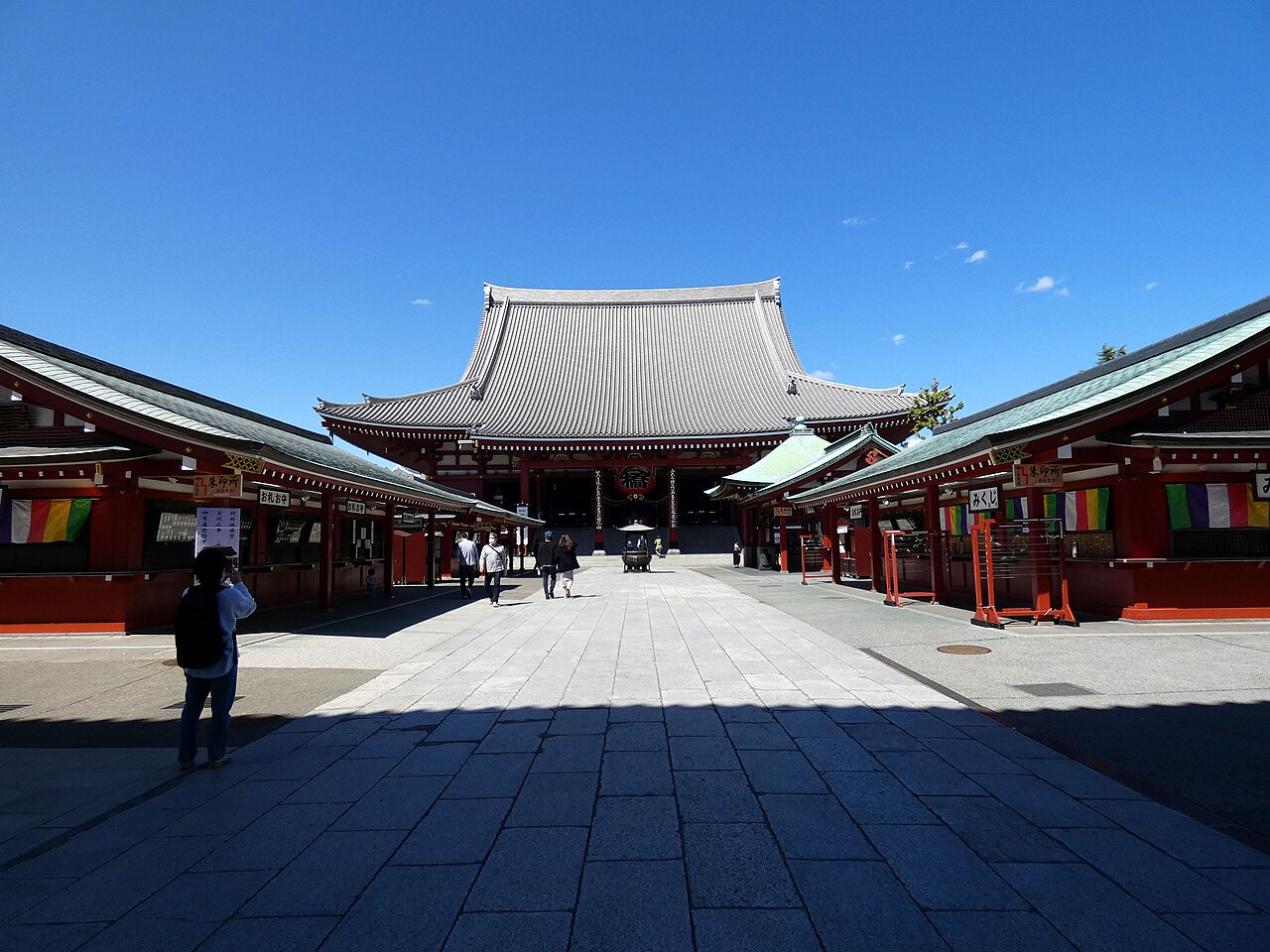
Photo: Asanagi, CC0 1.0, cropped Tokyo
6 nights
Tokyo is a massive city. You will find that each area has its own character. When you visit Asakusa, you pass through the Kaminarimon gate. Then you walk along the Nakamise shopping street until you reach Senso-ji. This temple is said to have been built in the year 628. Shibuya is different. The crossing near the station becomes packed with people every two minutes. Meiji Jingu offers a quieter experience. This shrine sits inside a 70 hectare forest that is surrounded by the city.
If you stay for six nights, you can explore each neighborhood without rushing. You will also have time to take a day trip to Kamakura on the coast. You can take the JR train from Tokyo Station. The journey takes just under an hour. When you arrive, you can see the Great Buddha. You can visit Tsurugaoka Hachimangu Shrine. You can also enjoy the beaches by the sea.
Good areas to stay
- Shinjuku
- Lots of train and subway lines have stations at this place. The Busta Shinjuku bus terminal is at the south exit. You can catch buses to Lake Kawaguchi from there.
- Asakusa
- You can find Senso-ji surrounded by traditional streets full of small shops. The trip from Haneda Airport takes about 50 minutes by train.
- Ginza
- It is central. Three subway lines run through it. You will find large department stores here. It takes about 15 minutes to walk to Tokyo Station from here.
On to Fujikawaguchiko: about 1 h 45 by bus
-
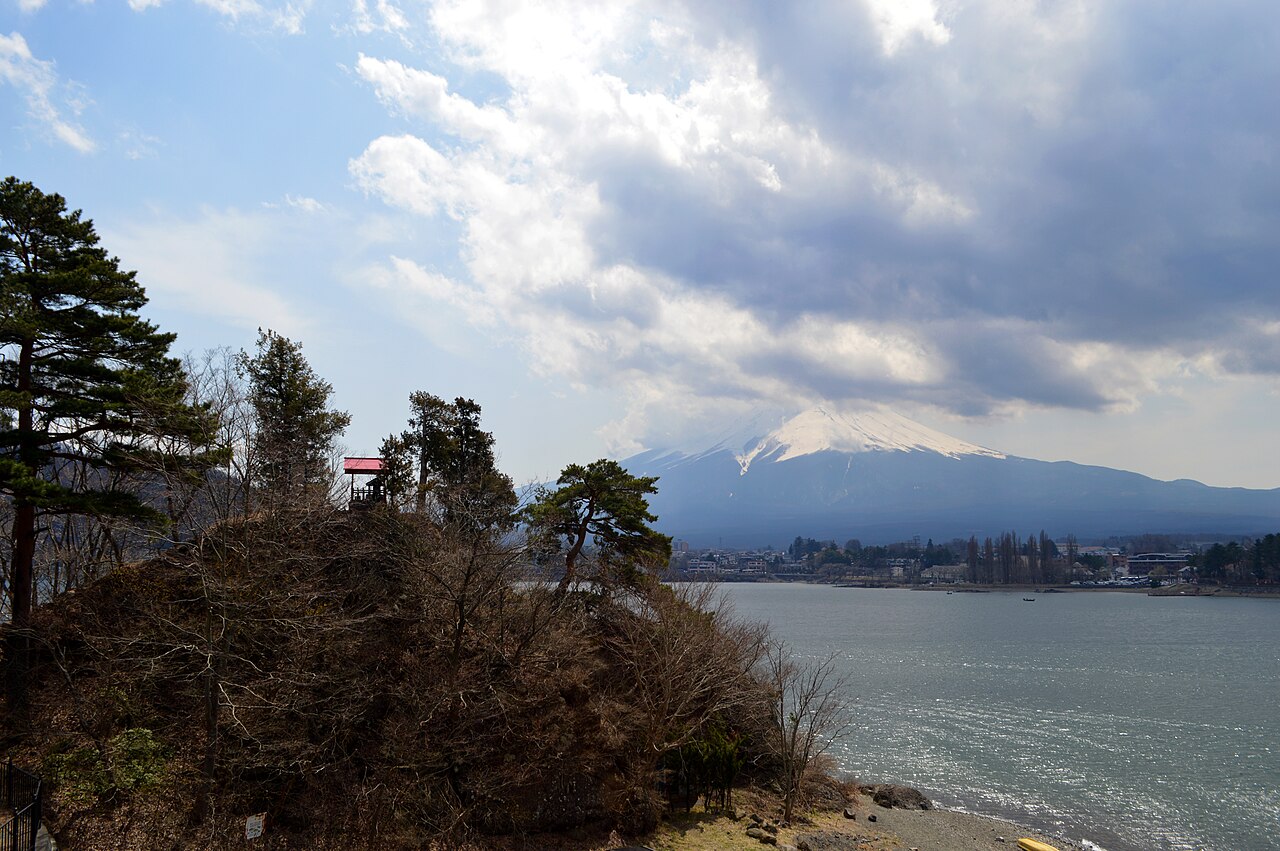
Photo: DimiTalen, CC0 1.0, cropped Fujikawaguchiko
2 nights
You can take a direct bus from Shinjuku to get here from Tokyo. Fujikawaguchiko is a town that sits on Lake Kawaguchi. This lake is the second largest of the five lakes around Fuji. When the weather is clear, you are able to see Mount Fuji from across the water. One example is Oishi Park on the north shore. In spring and summer, flowers grow in front of the mountain at this park. Three loop bus lines run from Kawaguchiko Station. These buses go to the north shore and to other lakes. The famous red Chureito Pagoda is not located on the lake itself. It is in the city of Fujiyoshida instead. You need to take the Fujikyu train to Shimoyoshida. After that, you climb about 400 steps. These steps go through Arakurayama Sengen Park.
If you stay for two nights, you have a full day for the lake and the pagoda. You also get a second chance if Mount Fuji is hidden by clouds on your first day. To go to Kyoto, take the bus to Mishima. There you can change to the Shinkansen.
Good areas to stay
- Around Kawaguchiko Station
- You can catch buses that come from Tokyo and buses to Mishima at this location. This is also where all three of the loop bus lines that circle the lakes begin their routes.
- North shore (Kawaguchi and Oishi)
- From the north shore, you can see Mount Fuji on the other side of the lake. A red loop bus line connects this area to the station.
On to Kyoto: about 4 h by bus and Shinkansen
-
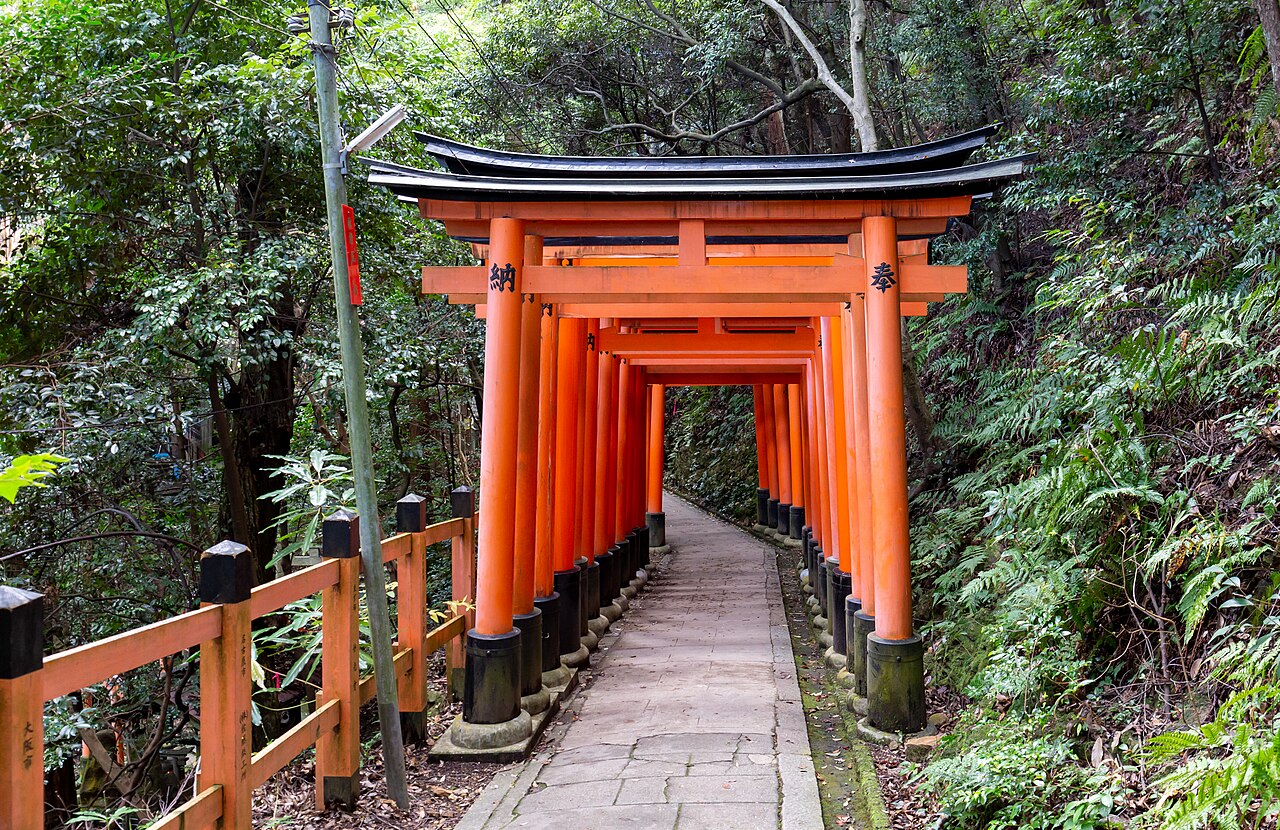
Photo: Balon Greyjoy, CC0 1.0, cropped Kyoto
5 nights
Kyoto became Japan's capital in 794. It stayed the capital for over a thousand years. Today you can find more than a thousand temples and shrines in the city. Fushimi Inari Shrine is located right next to Inari Station. You can walk up Mount Inari along a path. This path has about 10,000 red gates. In Arashiyama you will see the bamboo grove. You will also find Togetsukyo Bridge and Tenryu-ji Temple there. Gion is an area with streets full of teahouses. If you are lucky you may see maiko or geiko. You can only take photos of them if they allow it.
If you stay for five nights you will have time to visit Nara. Nara is about 35 minutes away by Kintetsu limited express train. Almost 1,200 deer live freely in the park in Nara. Todai-ji is also in this park. Inside Todai-ji there is a Buddha that is 15 meters tall.
Good areas to stay
- Around Kyoto Station
- You can catch the Shinkansen heading to Hiroshima at this station. Trains that go to Nara also leave from here. You can also board trains going to Fushimi Inari Shrine from this location. Many city buses stop at the station too.
- Gion
- The old area near Yasaka Shrine is where you start. You can then walk through Ninenzaka and Sannenzaka. This walking route takes you up to Kiyomizu-dera.
- Shijo-Kawaramachi
- The main part of the city is roughly 20 minutes away from Kyoto Station.
On to Hiroshima: about 1 h 40 by Shinkansen
-
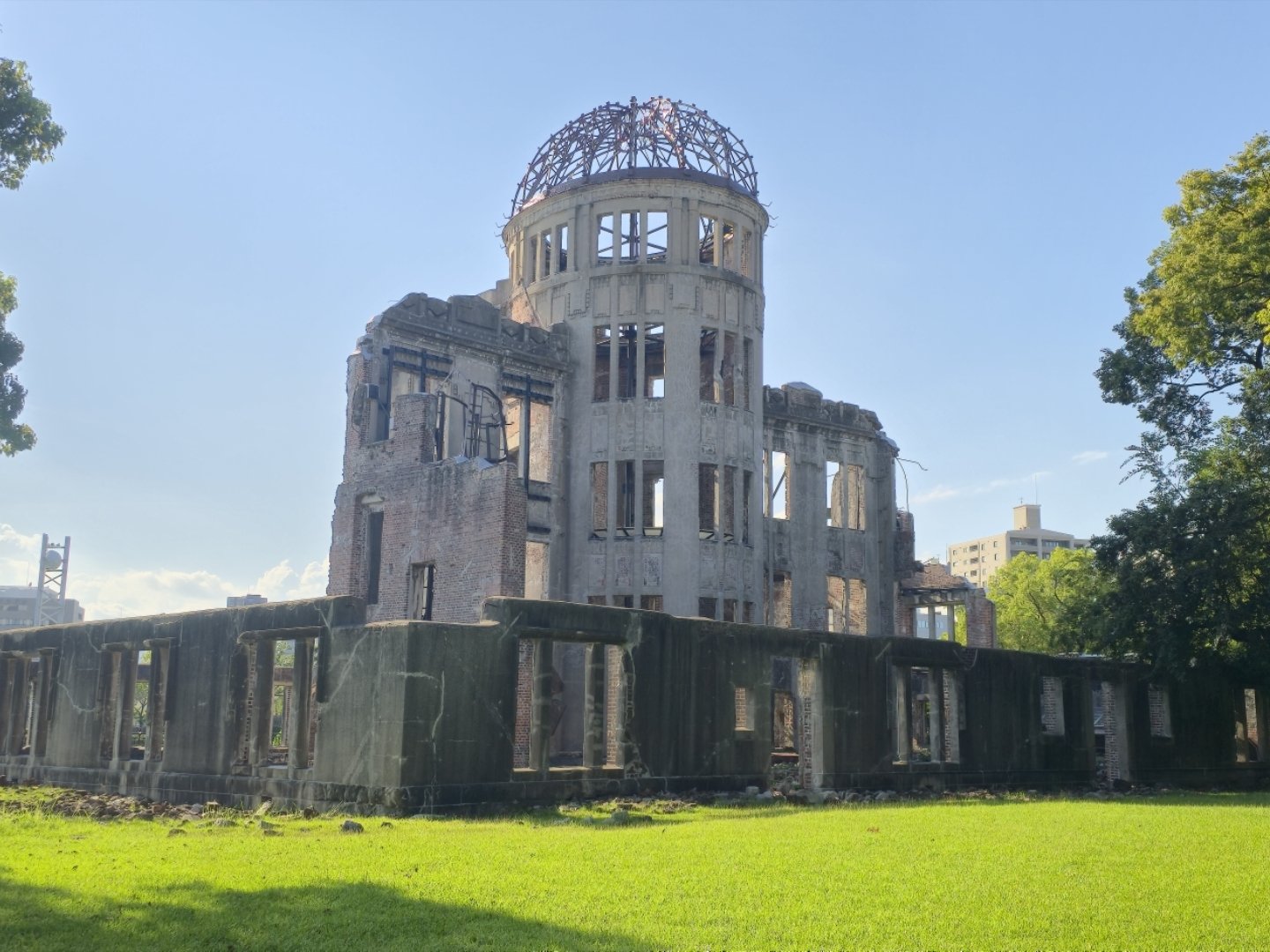
Photo: Daniel Fekete Hiroshima
2 nights
An atomic bomb fell on Hiroshima on 6 August 1945. It was the first atomic bomb ever used. The Peace Memorial Park is now in the middle of the city, right next to where the bomb exploded. You can see the Atomic Bomb Dome there, which became a World Heritage Site in 1996. The Peace Memorial Museum is also in the park. It shows you what the city looked like when the bomb hit.
You can take a streetcar from the station to reach the park. The trip takes about 20 minutes. On your second day you might want to visit Miyajima island. The JR train will get you to Miyajimaguchi in about 30 minutes. From there a ferry takes you to the island in ten minutes. The great gate of Itsukushima Shrine stands on the island. When the tide is high, it looks like it is floating in the sea. Two nights are enough for the park and one day for Miyajima.
Good areas to stay
- Around Hiroshima Station
- You can catch the Shinkansen here, and you can also take the JR line that goes to Miyajimaguchi. From here, you can ride the streetcar for around 20 minutes to reach the Peace Memorial Park.
- Hondori and Hatchobori
- You will find this place right in the middle of town next to the Hondori shopping street. The streetcar can take you there, and you can also walk to the Peace Memorial Park from here.
On to Osaka: about 1 h 30 by Shinkansen
-
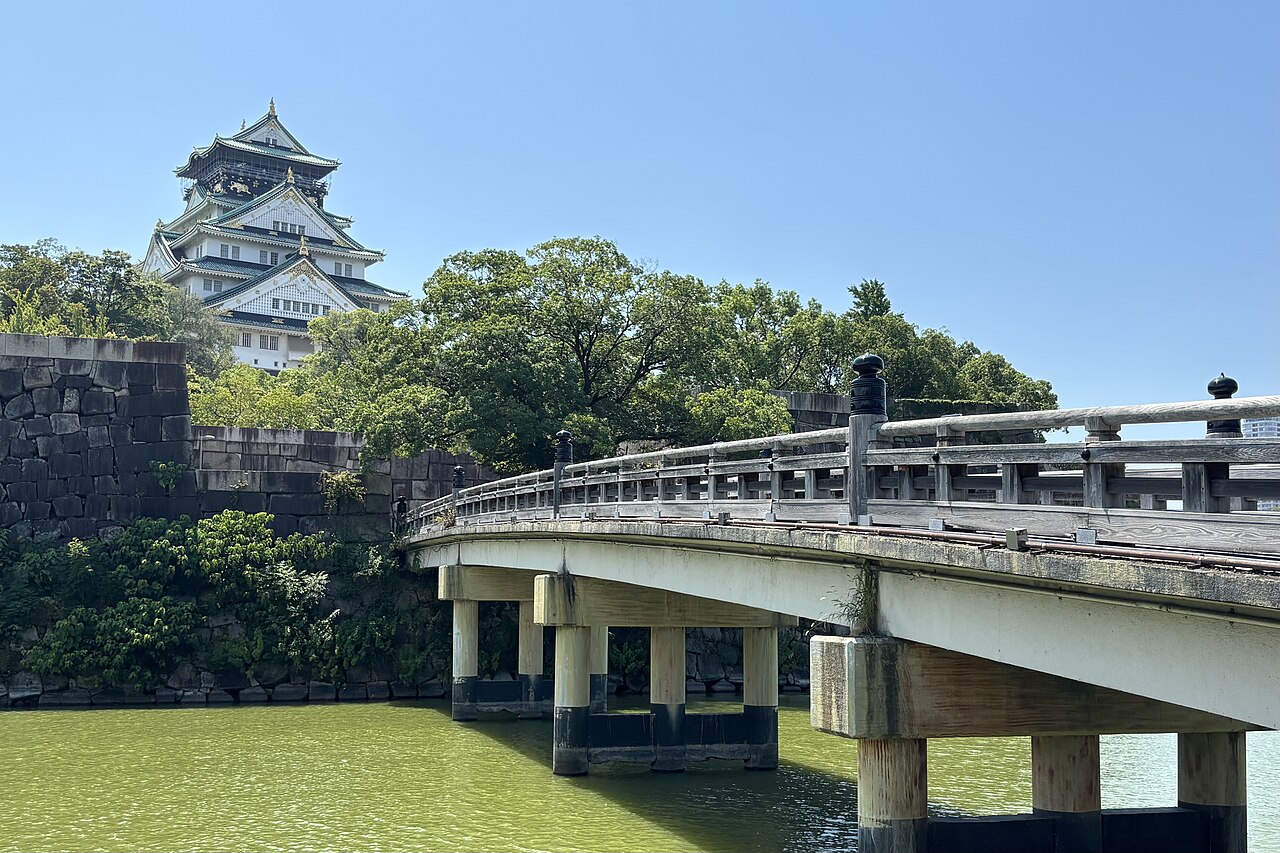
Photo: Sakai Yayoi, CC0 1.0, cropped Osaka
5 nights
In the evening, Dotonbori lights up along the river of the same name. Huge signs shine brightly, and restaurants fill both sides of the street. Kuromon Market sits near Nippombashi Station. You can find roughly 150 shops there that sell fish, vegetables, fruit and other goods. The market started around 1822. Chefs still come here to shop today. Osaka Castle sits in a park in the city center. The park covers just over 100 hectares.
Five nights let you see the city properly without feeling rushed. You can also take day trips from here. The Nankai line goes from Namba to Gokurakubashi in about 90 minutes. A cable car then takes you up from there to Koyasan. The head temple Kongobu-ji is located there. Nara is about 35 minutes from Namba if you take the Kintetsu express.
Good areas to stay
- Namba
- You can find this place right next to Dotonbori. The Nankai line takes you to Koyasan from here. You can also use the Kintetsu line to reach Nara. Three different subway lines serve this location as well.
- Umeda
- Osaka Station is where you can find JR, Hankyu, Hanshin and a few subway lines all in one place. Big department stores are located directly at the station.
Good to know
Your trip begins in Tokyo. You take a bus to Lake Kawaguchi. This lake is one of five lakes near Mount Fuji. Next you travel by bus and then by Shinkansen to reach Kyoto. After that you go to Hiroshima. Your journey ends in Osaka.
Best time to visit Japan
The average daily high for each month and how often it rains. The sun marks a dry month, not hours of sunshine.
- dry, fewer than 4 rainy days
- 4 to under 8 rainy days
- 8 to under 12 rainy days
- 12 or more rainy days
- Jan: 10 degrees, 4.5 rainy days
- Feb: 11 degrees, 5.2 rainy days
- Mar: 14 degrees, 9.2 rainy days
- Apr: 19 degrees, 9.5 rainy days
- May: 24 degrees, 10.1 rainy days
- Jun: 26 degrees, 11.6 rainy days
- Jul: 30 degrees, 10.5 rainy days
- Aug: 31 degrees, 7.9 rainy days
- Sep: 28 degrees, 11.0 rainy days
- Oct: 22 degrees, 10.5 rainy days
- Nov: 17 degrees, 7.4 rainy days
- Dec: 12 degrees, 5.2 rainy days
Exact figures
Average daily highs and lows 1991–2020, precipitation as monthly total.
| Jan | Feb | Mar | Apr | May | Jun | Jul | Aug | Sep | Oct | Nov | Dec | |
|---|---|---|---|---|---|---|---|---|---|---|---|---|
| Daily high (°C) | 9.8 | 10.9 | 14.2 | 19.4 | 23.6 | 26.1 | 29.9 | 31.3 | 27.5 | 22.0 | 16.7 | 12.0 |
| Daily low (°C) | 1.2 | 2.1 | 5.0 | 9.8 | 14.6 | 18.5 | 22.4 | 23.5 | 20.3 | 14.8 | 8.8 | 3.8 |
| Precipitation (mm) | 59.7 | 56.5 | 116.0 | 133.7 | 139.7 | 167.8 | 156.2 | 154.7 | 224.9 | 234.8 | 96.3 | 57.9 |
| Days with at least 1 mm | 4.5 | 5.2 | 9.2 | 9.5 | 10.1 | 11.6 | 10.5 | 7.9 | 11.0 | 10.5 | 7.4 | 5.2 |
| Month | High (°C) | Low (°C) | Precip. (mm) | Days ≥ 1 mm |
|---|---|---|---|---|
| Jan | 9.8 | 1.2 | 59.7 | 4.5 |
| Feb | 10.9 | 2.1 | 56.5 | 5.2 |
| Mar | 14.2 | 5.0 | 116.0 | 9.2 |
| Apr | 19.4 | 9.8 | 133.7 | 9.5 |
| May | 23.6 | 14.6 | 139.7 | 10.1 |
| Jun | 26.1 | 18.5 | 167.8 | 11.6 |
| Jul | 29.9 | 22.4 | 156.2 | 10.5 |
| Aug | 31.3 | 23.5 | 154.7 | 7.9 |
| Sep | 27.5 | 20.3 | 224.9 | 11.0 |
| Oct | 22.0 | 14.8 | 234.8 | 10.5 |
| Nov | 16.7 | 8.8 | 96.3 | 7.4 |
| Dec | 12.0 | 3.8 | 57.9 | 5.2 |
- Jan: 6 degrees, 4.9 rainy days
- Feb: 7 degrees, 5.1 rainy days
- Mar: 11 degrees, 9.1 rainy days
- Apr: 16 degrees, 8.5 rainy days
- May: 21 degrees, 9.4 rainy days
- Jun: 23 degrees, 11.5 rainy days
- Jul: 27 degrees, 11.7 rainy days
- Aug: 28 degrees, 10.1 rainy days
- Sep: 24 degrees, 11.1 rainy days
- Oct: 18 degrees, 10.1 rainy days
- Nov: 14 degrees, 6.7 rainy days
- Dec: 9 degrees, 4.6 rainy days
Exact figures
Average daily highs and lows 1991–2020, precipitation as monthly total.
| Jan | Feb | Mar | Apr | May | Jun | Jul | Aug | Sep | Oct | Nov | Dec | |
|---|---|---|---|---|---|---|---|---|---|---|---|---|
| Daily high (°C) | 5.5 | 6.6 | 10.5 | 16.1 | 20.6 | 23.0 | 27.2 | 28.1 | 23.8 | 18.3 | 13.8 | 8.5 |
| Daily low (°C) | −5.7 | −4.8 | −1.3 | 3.7 | 8.9 | 13.7 | 18.0 | 18.5 | 14.8 | 8.7 | 2.2 | −2.9 |
| Precipitation (mm) | 60.9 | 55.4 | 107.6 | 106.1 | 123.2 | 157.1 | 178.4 | 176.8 | 264.7 | 230.0 | 76.0 | 49.8 |
| Days with at least 1 mm | 4.9 | 5.1 | 9.1 | 8.5 | 9.4 | 11.5 | 11.7 | 10.1 | 11.1 | 10.1 | 6.7 | 4.6 |
| Month | High (°C) | Low (°C) | Precip. (mm) | Days ≥ 1 mm |
|---|---|---|---|---|
| Jan | 5.5 | −5.7 | 60.9 | 4.9 |
| Feb | 6.6 | −4.8 | 55.4 | 5.1 |
| Mar | 10.5 | −1.3 | 107.6 | 9.1 |
| Apr | 16.1 | 3.7 | 106.1 | 8.5 |
| May | 20.6 | 8.9 | 123.2 | 9.4 |
| Jun | 23.0 | 13.7 | 157.1 | 11.5 |
| Jul | 27.2 | 18.0 | 178.4 | 11.7 |
| Aug | 28.1 | 18.5 | 176.8 | 10.1 |
| Sep | 23.8 | 14.8 | 264.7 | 11.1 |
| Oct | 18.3 | 8.7 | 230.0 | 10.1 |
| Nov | 13.8 | 2.2 | 76.0 | 6.7 |
| Dec | 8.5 | −2.9 | 49.8 | 4.6 |
Through the year
- Mar: In Tokyo, you can expect the cherry blossoms to open around 24 March in a typical year. Source: Japan Meteorological Agency, accessed 12 Oct 2026
- Jun, Jul: In the area near Tokyo and Mount Fuji, which is in the Kanto-Koshin region, you can expect the wet season to begin approximately on 7 June. This rainy period will typically finish around 19 July. Source: Japan Meteorological Agency, accessed 12 Oct 2026
- Aug, Sep, Oct: Typhoons approach the Kanto-Koshin region most frequently during September. August and October are the next most common months when they arrive. Source: Japan Meteorological Agency, accessed 12 Oct 2026
Summarised and translated for this page from the linked sources.
Monthly values Tokyo: WMO Member Nations (2023). WMO Climatological Standard Normals for 1991-2020 (NCEI Accession 0253808). Version 6.6, min24, WMO station 47662, TMAX TMIN PRCP DP01. NOAA National Centers for Environmental Information. Dataset. https://doi.org/10.25921/800j-vn07. Accessed 12 Oct 2026.
Monthly values Kawaguchiko (near Mount Fuji): Source: Japan Meteorological Agency website (https://www.data.jma.go.jp/stats/data/mdrr/normal/index.html), normals 1991–2020, JMA station 47640. Edited for this page: units converted, labels translated, values rounded and shown as symbols. Accessed 12 Oct 2026.
The stops and nights are already filled in. You add your travel dates, the briefing finds the places to stay.
Turn this route into your own briefingDestination texts created with AI.
As of 12 Oct 2026