Dublin · Kilkenny · Galway · Killarney · Cork
Ireland itinerary in 3 weeks: Dublin, Kilkenny, Galway, Killarney and Cork
A 20-night Ireland trip through five places, by rental car after your days in Dublin.
20 nights, 5 stops Best time to travel: May and June
Best time to go, weather and road tips
-
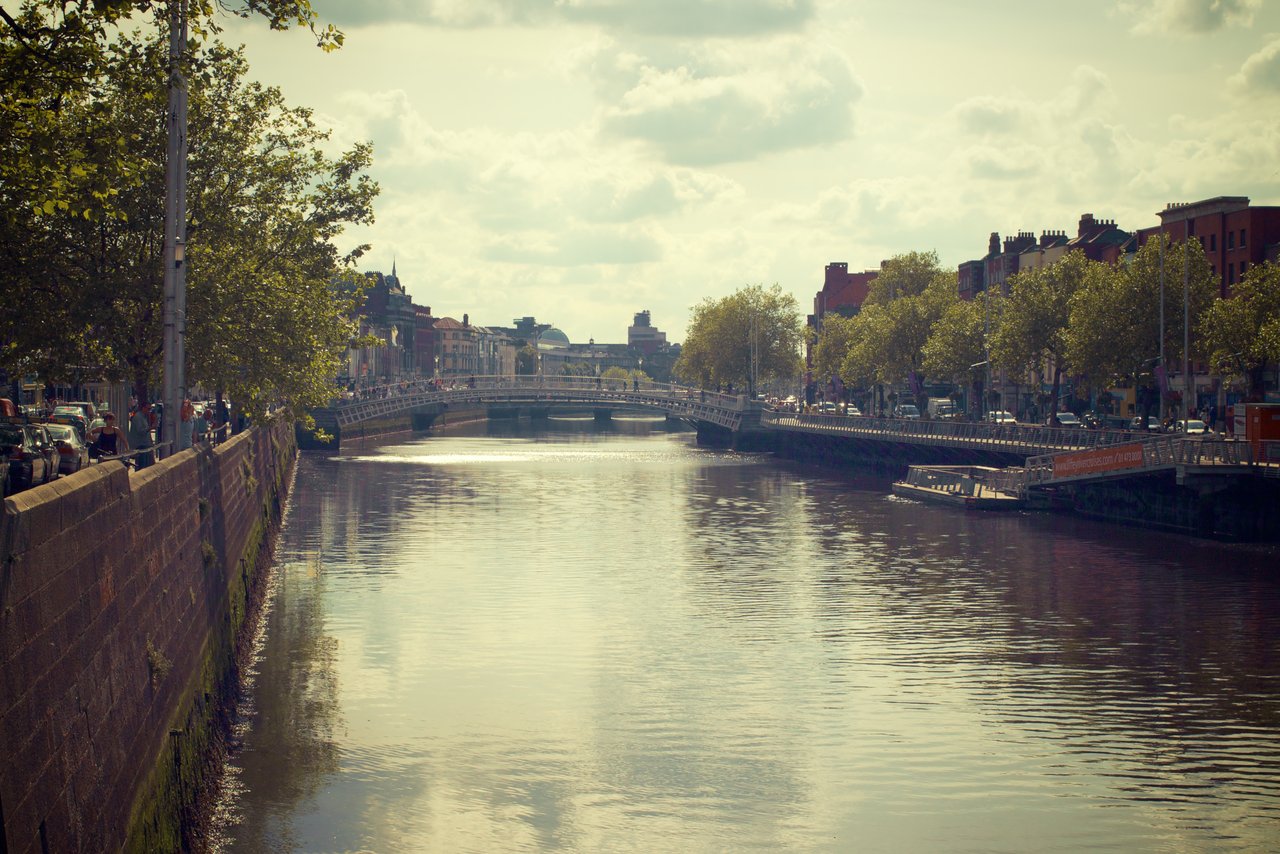
Photo: Dave Meier, CC0 1.0, cropped Dublin
4 nights
You can explore Dublin's city centre on foot if you spend four nights there. The Liffey River divides the city into two parts. On the south side of the river you will find Trinity College, Grafton Street, St Stephen's Green and Merrion Square. The Book of Kells is kept in the Old Library at Trinity College. The time slots to visit often sell out, so you should book your tickets online in advance.
Temple Bar sits just west of the college next to the river. It has many pubs and restaurants for you to visit. The Guinness Storehouse is located at St James's Gate. You do not need a car while you are in the city. The traffic is heavy and parking costs a lot of money. You should pick up your rental car after you finish your time in the city. All the major rental companies have desks at the airport where you can collect your car.
Good areas to stay
- South of the Liffey
- The main attractions are near Trinity College and Grafton Street. However, you will pay higher prices for accommodation in this area than you would if you stayed on the north side of the river.
- North of the Liffey near Busáras
- You can find less expensive accommodations near Busáras bus station in this area.
- Temple Bar
- You will find this place in the heart of the nightlife area near the river. It is also not far from Trinity College. However, it stays noisy and packed with people until quite late at night.
On to Kilkenny: about 1 h 30 by car
-
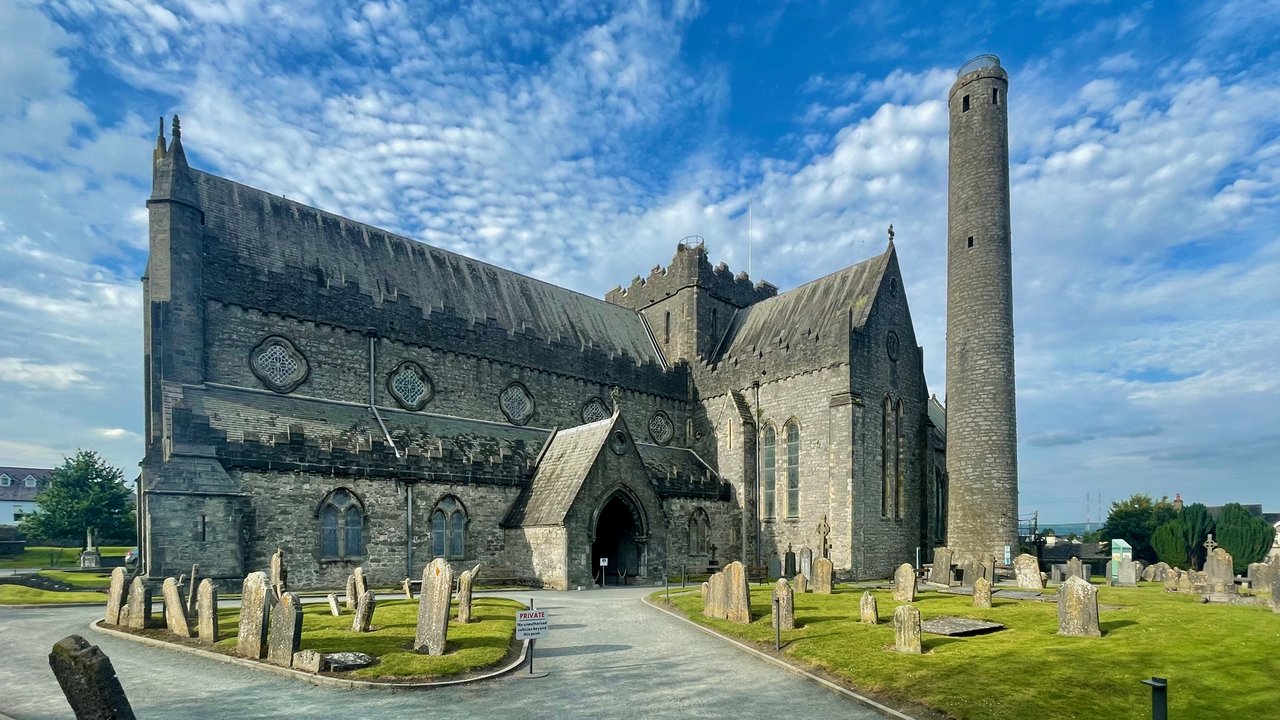
Photo: Holger-dieterich~enwiki, CC0 1.0, cropped Kilkenny
3 nights
Kilkenny is a small city that sits on the River Nore. Normans built a medieval city here long ago. During the 1640s, Kilkenny was essentially Ireland's capital. Three nights are enough to comfortably walk the Medieval Mile. This walk takes you from the castle along High Street to St Canice's Cathedral at a relaxed speed. The Butler family lived in the castle for nearly 600 years. The state has owned it since 1969. You can walk through the large castle park without paying anything whenever you want.
St Canice's Cathedral is the second largest church in the whole of Ireland. A round tower from the 9th century stands next to the cathedral. Adults are able to climb up the steep ladders inside this tower. You can walk to all places in the old town on foot. The town does not have a park and ride system. You will find car parks close to High Street.
Good areas to stay
- High Town around the castle
- You will find the beginning of the Medieval Mile near the castle and the park. The Ormonde Street car park is close by.
- Irishtown
- The cathedral sits at one end of the Medieval Mile. You can find the Market Cross car park on Parliament Street. The castle is located a full mile away from this area.
- St John's
- The Nore's eastern bank is where you'll find this area, but you'll discover most attractions and restaurants across the river on the western side.
On to Galway: about 2 h 30 by car
-
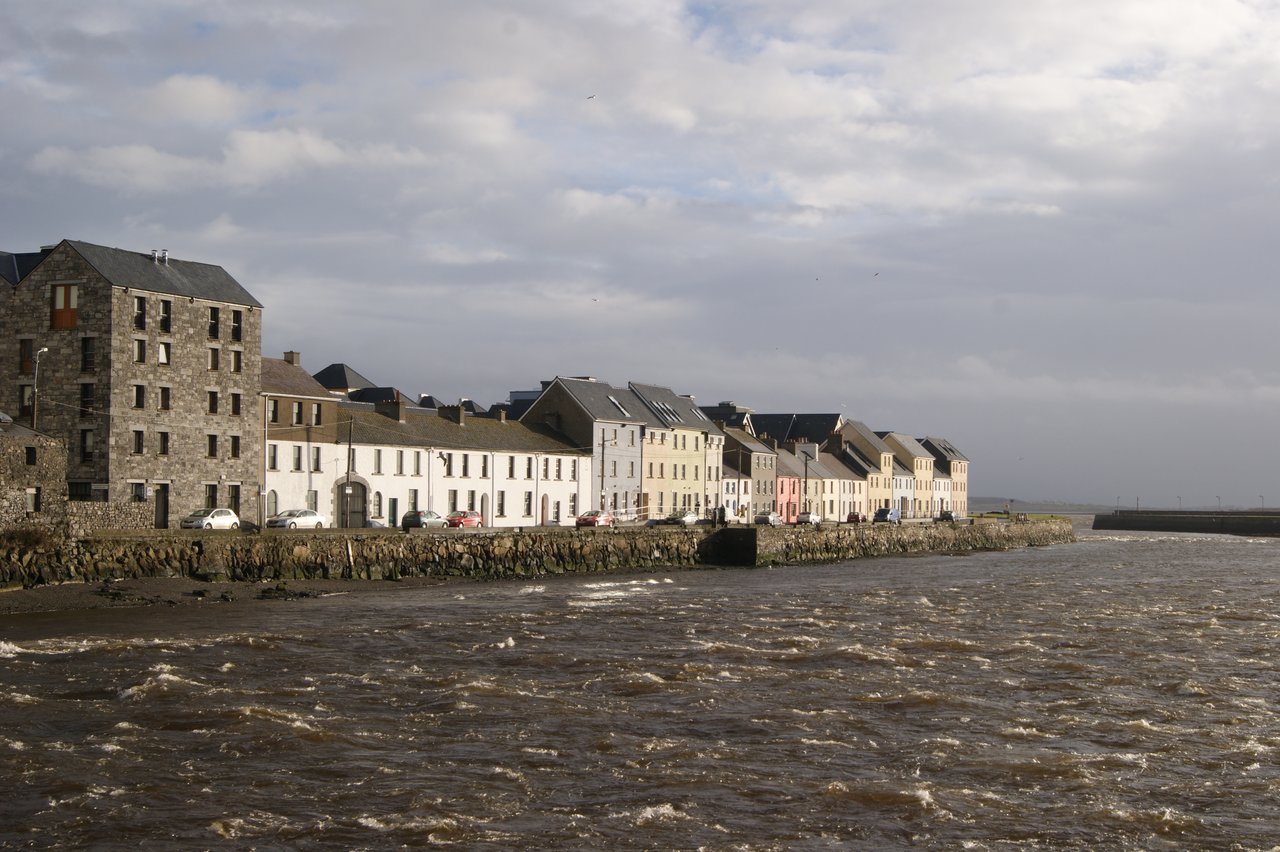
Photo: Bananenfalter, CC0 1.0, cropped Galway
4 nights
You will find Galway on the west coast beside the River Corrib. The historic part of town sits on the east bank and is not large. You can walk around it easily. Starting at Eyre Square, you can walk along a street with no cars. This street goes through Shop Street and High Street until it reaches Quay Street. Along this route you will see many pubs and restaurants. Near the water stands the Spanish Arch. This structure was built as part of the city wall in 1584.
If you stay for four nights, you will have time to take day trips. A boat service runs to the Aran Islands throughout the year. The ferry leaves from Rossaveel, which is 40 km west of the city. The trip to Inis Mór lasts 40 minutes. The Cliffs of Moher reach heights of up to 214 m. They are about 1 h 20 away if you drive. You might also see them on your way to Killarney. From there you can take a ferry across the Shannon. This ferry goes from Killimer to Tarbert. When you are in the city itself, you should leave your car in a parking space and not drive.
Good areas to stay
- Old town between Shop Street and Quay Street
- You will find this place in the walking area where there are bars and music performances. However, it gets noisy when night falls. You should know that parking spots are hard to find and cost a lot of money.
- Eyre Square and Forster Street
- The location sits directly next to where buses and trains arrive and depart. You will find it at the beginning of the walking street. However, you should know that it tends to be quite loud when weekend evenings come around.
- Salthill
- You can reach the Promenade by the sea. It takes 30 minutes to walk there from the centre. You can also take bus 401. This bus comes every 20 minutes.
On to Killarney: about 3 h by car
-
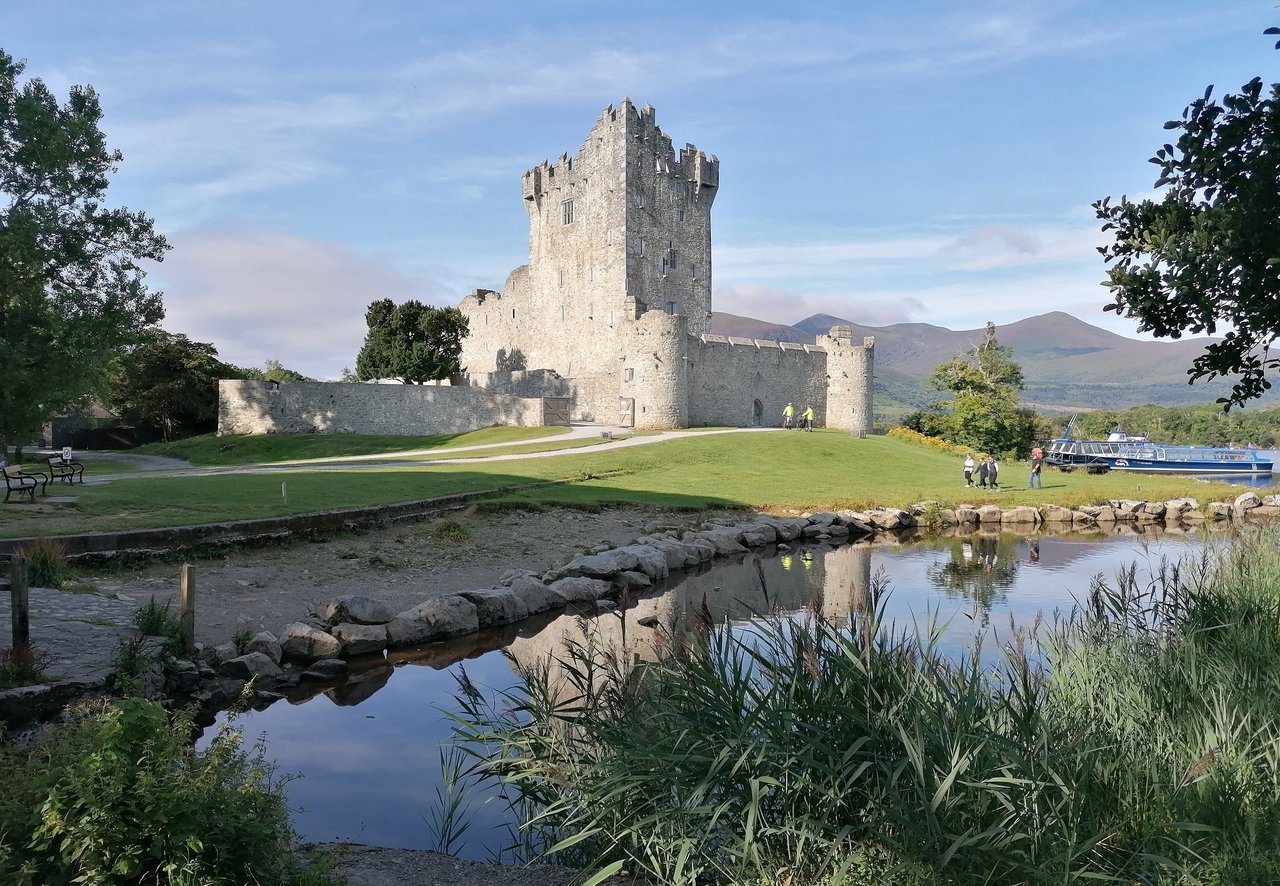
Photo: Karlunun, CC0 1.0, cropped Killarney
5 nights
You will find Killarney in County Kerry, next to Killarney National Park. The park spreads across about 10,000 hectares and contains mountains, lakes, woodland and waterfalls. The state received its core in 1932, making it Ireland's first national park. On the lake shore you can see Ross Castle, a tower house built in the 15th century. The town itself is quite small, and you will find a bike the best way to get into the park.
If you stay for five nights, you will have enough time for long day trips. The Ring of Kerry forms a 214 km loop that goes around the Iveragh Peninsula. Tour buses drive it anticlockwise, so if you have your own car you should go clockwise from Killarney. Dingle sits just over an hour away, and the Slea Head Drive runs along the coast from there. You can only visit Skellig Michael by licensed boat, such as boats leaving from Portmagee, and only from mid-May to September when weather permits.
Good areas to stay
- Town centre around College Street
- You can walk a short distance to reach pubs, the train station, and taxis. However, many tourists come here during the summer months.
- Muckross Road
- The southern part of town is near the national park and Muckross. You can either drive to the middle of town or use bus KY03. This bus runs from April through September.
- Aghadoe and Fossa
- You will find this place about 5 to 6 km to the west of town. It sits beside Lough Leane along the N72 road that goes toward Killorglin. You need to drive into town.
On to Cork: about 1 h 15 by car
-
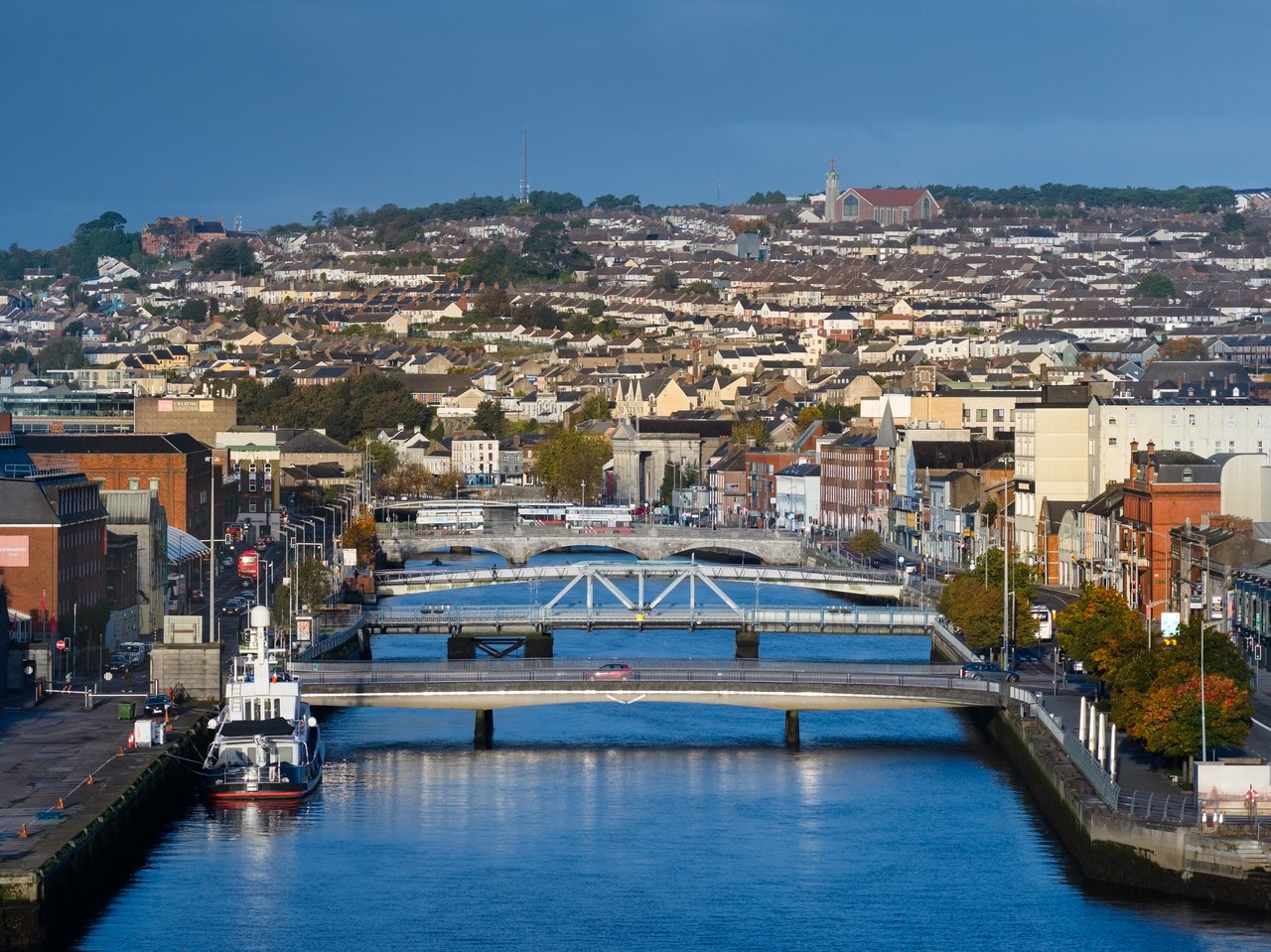
Photo: Podstawko, CC0 1.0, cropped Cork
4 nights
Cork is Ireland's second largest city. The city centre is located on an island between two branches of the River Lee. You can walk to most places in about a kilometre. When you get there, give back your rental car because you will not need it in the city centre. You can find the English Market on Grand Parade. The city has St Fin Barre's Cathedral, which was built between 1865 and 1879 in the Gothic Revival style. You can also visit Elizabeth Fort, where you are able to walk on the walls.
Your four nights give you time for two day trips. A train goes to Cobh every 30 minutes and the journey takes 25 minutes. About 1.5 million people left from there to go to North America. The Titanic stopped there in 1912. Kinsale is a small harbour town that has Charles Fort. It is 25 km south of the city.
Good areas to stay
- City centre island
- You can walk all around the area that sits between the two river channels. A car is usually not helpful there.
- MacCurtain Street
- The area sits between the main island of the city centre and Kent station. You will find many restaurants and drinking establishments here. It becomes busy and energetic once night falls.
- Douglas
- You will find the south-east edge of the city. From there you can catch a city bus that goes to the centre. This bus is quicker than using park and ride.
Good to know
Your journey starts in Dublin and goes to medieval Kilkenny. From there you travel to Galway on the west coast. Next you head to Killarney in County Kerry. The trip ends in Cork. You can get around Dublin without renting a car. After you finish exploring the city, rent your car, ideally at the airport. Leave the car in Cork when your trip is over. In Ireland, people drive on the left side of the road. A one-way car rental will cost you more money than a round trip rental. Starting in mid-May, boats begin to run trips to Skellig Michael.
Best time to visit Ireland
The average daily high for each month and how often it rains. The sun marks a dry month, not hours of sunshine.
- dry, fewer than 4 rainy days
- 4 to under 8 rainy days
- 8 to under 12 rainy days
- 12 or more rainy days
- Jan: 8 degrees, 12.5 rainy days
- Feb: 9 degrees, 11.0 rainy days
- Mar: 10 degrees, 10.7 rainy days
- Apr: 12 degrees, 11.1 rainy days
- May: 15 degrees, 10.5 rainy days
- Jun: 18 degrees, 9.8 rainy days
- Jul: 20 degrees, 11.6 rainy days
- Aug: 19 degrees, 11.8 rainy days
- Sep: 17 degrees, 10.7 rainy days
- Oct: 14 degrees, 11.6 rainy days
- Nov: 10 degrees, 12.5 rainy days
- Dec: 8 degrees, 13.3 rainy days
Exact figures
Average daily highs and lows 1991–2020, precipitation as monthly total.
| Jan | Feb | Mar | Apr | May | Jun | Jul | Aug | Sep | Oct | Nov | Dec | |
|---|---|---|---|---|---|---|---|---|---|---|---|---|
| Daily high (°C) | 8.0 | 8.5 | 10.1 | 12.3 | 14.8 | 17.7 | 19.5 | 19.1 | 16.9 | 13.6 | 10.3 | 8.3 |
| Daily low (°C) | 2.3 | 2.2 | 3.0 | 4.0 | 6.6 | 9.0 | 11.3 | 11.2 | 9.5 | 7.1 | 4.3 | 2.6 |
| Precipitation (mm) | 61.8 | 52.4 | 51.4 | 55.0 | 57.0 | 64.0 | 61.0 | 73.4 | 63.3 | 78.4 | 82.7 | 72.1 |
| Days with at least 1 mm | 12.5 | 11.0 | 10.7 | 11.1 | 10.5 | 9.8 | 11.6 | 11.8 | 10.7 | 11.6 | 12.5 | 13.3 |
| Month | High (°C) | Low (°C) | Precip. (mm) | Days ≥ 1 mm |
|---|---|---|---|---|
| Jan | 8.0 | 2.3 | 61.8 | 12.5 |
| Feb | 8.5 | 2.2 | 52.4 | 11.0 |
| Mar | 10.1 | 3.0 | 51.4 | 10.7 |
| Apr | 12.3 | 4.0 | 55.0 | 11.1 |
| May | 14.8 | 6.6 | 57.0 | 10.5 |
| Jun | 17.7 | 9.0 | 64.0 | 9.8 |
| Jul | 19.5 | 11.3 | 61.0 | 11.6 |
| Aug | 19.1 | 11.2 | 73.4 | 11.8 |
| Sep | 16.9 | 9.5 | 63.3 | 10.7 |
| Oct | 13.6 | 7.1 | 78.4 | 11.6 |
| Nov | 10.3 | 4.3 | 82.7 | 12.5 |
| Dec | 8.3 | 2.6 | 72.1 | 13.3 |
- Jan: 10 degrees, 20.8 rainy days
- Feb: 10 degrees, 17.8 rainy days
- Mar: 11 degrees, 16.4 rainy days
- Apr: 12 degrees, 14.1 rainy days
- May: 15 degrees, 13.5 rainy days
- Jun: 17 degrees, 12.8 rainy days
- Jul: 18 degrees, 16.0 rainy days
- Aug: 18 degrees, 15.6 rainy days
- Sep: 17 degrees, 16.5 rainy days
- Oct: 14 degrees, 18.2 rainy days
- Nov: 12 degrees, 21.0 rainy days
- Dec: 10 degrees, 20.4 rainy days
Exact figures
Average daily highs and lows 1991–2020, precipitation as monthly total.
| Jan | Feb | Mar | Apr | May | Jun | Jul | Aug | Sep | Oct | Nov | Dec | |
|---|---|---|---|---|---|---|---|---|---|---|---|---|
| Daily high (°C) | 9.8 | 9.9 | 10.8 | 12.4 | 14.5 | 16.6 | 17.8 | 18.0 | 16.9 | 14.4 | 11.8 | 10.4 |
| Daily low (°C) | 5.1 | 5.1 | 5.5 | 6.7 | 8.8 | 11.1 | 12.9 | 12.8 | 11.7 | 9.5 | 7.2 | 5.8 |
| Precipitation (mm) | 187.0 | 137.1 | 116.1 | 108.4 | 94.4 | 100.8 | 117.2 | 114.2 | 129.8 | 173.0 | 189.2 | 179.4 |
| Days with at least 1 mm | 20.8 | 17.8 | 16.4 | 14.1 | 13.5 | 12.8 | 16.0 | 15.6 | 16.5 | 18.2 | 21.0 | 20.4 |
| Month | High (°C) | Low (°C) | Precip. (mm) | Days ≥ 1 mm |
|---|---|---|---|---|
| Jan | 9.8 | 5.1 | 187.0 | 20.8 |
| Feb | 9.9 | 5.1 | 137.1 | 17.8 |
| Mar | 10.8 | 5.5 | 116.1 | 16.4 |
| Apr | 12.4 | 6.7 | 108.4 | 14.1 |
| May | 14.5 | 8.8 | 94.4 | 13.5 |
| Jun | 16.6 | 11.1 | 100.8 | 12.8 |
| Jul | 17.8 | 12.9 | 117.2 | 16.0 |
| Aug | 18.0 | 12.8 | 114.2 | 15.6 |
| Sep | 16.9 | 11.7 | 129.8 | 16.5 |
| Oct | 14.4 | 9.5 | 173.0 | 18.2 |
| Nov | 11.8 | 7.2 | 189.2 | 21.0 |
| Dec | 10.4 | 5.8 | 179.4 | 20.4 |
Through the year
- Jul, Aug: In Dublin and in Valentia on the west coast, the warmest time of year happens during July and August. Source: WMO Climatological Standard Normals 1991–2020, accessed 12 Oct 2026
- Nov: November is when you will see the most rain fall in Dublin and Valentia during the whole year. Source: WMO Climatological Standard Normals 1991–2020, accessed 12 Oct 2026
- Nov, Dec, Jan: From November to January, the west coast town of Valentia receives more than double the amount of rain that Dublin gets. Source: WMO Climatological Standard Normals 1991–2020, accessed 12 Oct 2026
Summarised and translated for this page from the linked sources.
Monthly values Dublin Airport: WMO Member Nations (2023). WMO Climatological Standard Normals for 1991-2020 (NCEI Accession 0253808). Version 6.6, min24, WMO station 03969, TMAX TMIN PRCP DP01. NOAA National Centers for Environmental Information. Dataset. https://doi.org/10.25921/800j-vn07. Accessed 12 Oct 2026.
Monthly values Valentia (Kerry, west coast): WMO Member Nations (2023). WMO Climatological Standard Normals for 1991-2020 (NCEI Accession 0253808). Version 6.6, min24, WMO station 03953, TMAX TMIN PRCP DP01. NOAA National Centers for Environmental Information. Dataset. https://doi.org/10.25921/800j-vn07. Accessed 12 Oct 2026.
The stops and nights are already filled in. You add your travel dates, the briefing finds the places to stay.
Turn this route into your own briefingDestination texts created with AI.
As of 12 Oct 2026